

What Should You Do First if You Find a Leak?
If you notice water dripping or staining your ceiling, quick action is crucial. Immediately try to contain the water and minimize further damage inside your home.
Place a bucket, pot, or large container directly under active drips. If your ceiling is bulging with water, very carefully puncture a small hole in the bulge using a screwdriver. This lets the water drain in a controlled way and prevents a wider area of your ceiling from collapsing.
Move any valuables, electronics, or furniture out of the wet area. If available, lay down towels or plastic sheeting to protect floors. This buys you time and keeps interior damage to a minimum while you investigate further.
How Can You Find the Source of the Leak?
Finding where the water is entering the roof is often more difficult than spotting where it shows up inside. In Central Square, changing seasons—especially heavy rain or rapid snowmelt—often expose older roof vulnerabilities and make leaks more noticeable.
Start by inspecting your attic or crawl space directly above the wet ceiling:
- Use a flashlight to look for signs of moisture, stains, mold, or rotting wood.
- Track the path of the water: water tends to travel along rafters or sheathing before it drips downward.
- If safe, inspect the underside of the roof deck, paying attention to any nails, vents, chimneys, or joints where materials meet.
Outdoors, only check your roof from the ground using binoculars. Look for:
- Missing or damaged shingles (especially after wind, rain, or ice storms)
- Exposed or popped nails
- Damaged flashing around vents, chimneys, or roof valleys
- Blocked or overflowing gutters, which can force water under roofing materials
Do not climb onto the roof yourself if it’s wet, icy, or steep. In Central Square, winter ice dams and spring thaws increase the risk of slips and hidden damage, so prioritize personal safety.
How Do Local Weather and Seasons Affect Roof Leaks?
Central Square’s considerable snowfall and frequent freeze-thaw cycles tend to create specific challenges:
- Ice dams can form on roof edges, causing meltwater to back up under shingles and result in leaks far from the original ice.
- Rapid spring rainfall and thaws may reveal or worsen weaknesses that developed over winter.
- Wind-driven rain can push water beneath loose shingles or flashing, sometimes entering attics days before appearing inside.
In autumn, falling leaves may clog gutters and downspouts, causing water to pool and seep under roofing materials. Regularly cleaning gutters in the fall and before major winter storms helps prevent this common local issue.
What Temporary Measures Can Limit Damage Until Permanent Repairs?
If water is entering rapidly and heavy rainfall is ongoing, temporary protections can help limit interior damage. If safe to do so, and the affected area is accessible:
- Lay plastic sheets or tarps over furniture or electronics in leak-prone rooms.
- Tightly seal containers under leaks. Empty containers frequently to avoid overflow.
- In attics, you can staple plastic sheeting or a tarp to framing above the leak. Let it slope gently into a bucket for quick collection.
- Avoid using ceiling light fixtures near wet spots, as water intrusion may compromise wiring and pose a shock risk.
Do not attempt to patch the roof’s exterior in dangerous weather. Quick fixes such as roofing cement applied from inside the attic or taping plastic sheeting can slow leaks in an emergency, but these solutions are never long-term.
Should You Try to Repair a Leak Yourself?
Minor leaks sometimes can be addressed by a confident homeowner, especially if the cause is visible and easily reached—from the attic or with safe ladder access:
- Replace a missing shingle (in dry, safe conditions)
- Re-seal a small gap around flashing using roofing caulk
- Clear a clogged gutter or re-attach a downspout extension
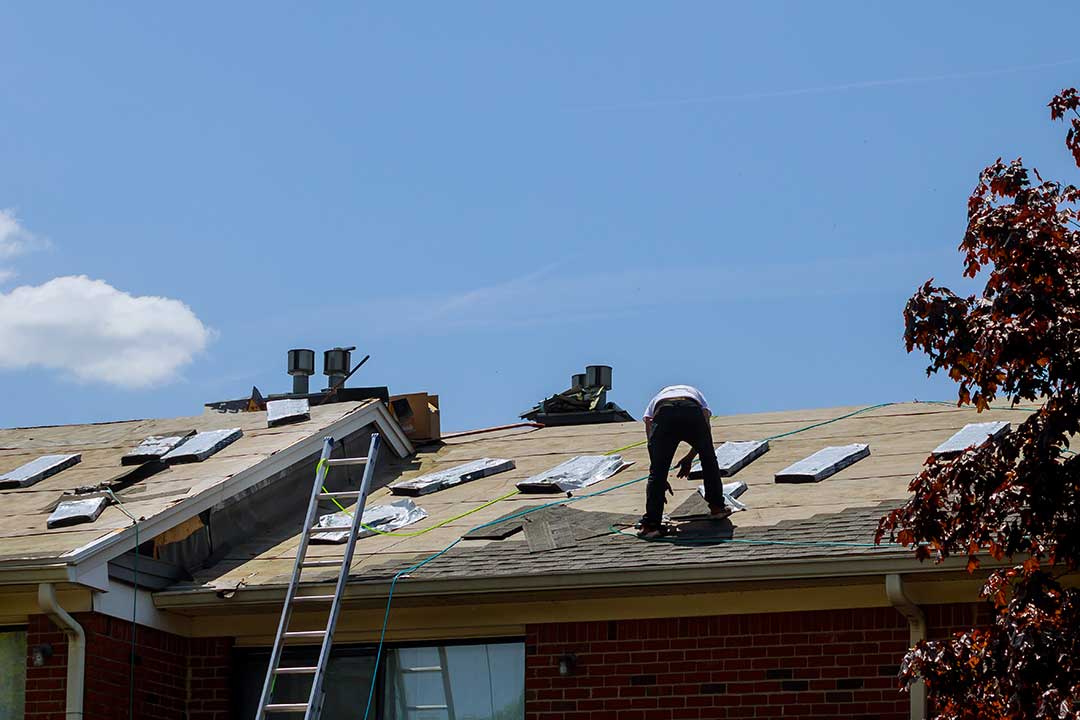
If the source of the leak is not immediately obvious, or there’s water near electrical wiring, extensive ceiling damage, mold, or structural rot, the situation is hazardous or complex. In these cases, it is safer to avoid personal risk and seek further help.
Are There Common Misconceptions About Roof Leaks in Central Square?
Many assume that leaks always start directly above the wet spot on the ceiling. In reality, especially in homes with attic insulation or complex rooflines, water may travel several feet sideways before appearing indoors.
Another misconception is that small drips can be ignored until the weather improves. Even minor leaks can quickly lead to damaged insulation, hidden mold growth, or structural deterioration, especially in the damp and often prolonged rainfall or snowmelt characteristic of Central Square.
What Should You Document for Insurance or Repairs?
Taking clear photographs of all affected areas is helpful for insurance purposes:
- Capture close-ups of ceiling stains, water paths in attics, and any visible roof damage from the ground.
- Write down when you first noticed the leak and any actions taken to contain the water.
- Save receipts for any interim supplies, from buckets to tarps.
Homeowners’ insurance may cover sudden or accidental water damage, but not issues related to long-term neglect or wear. Individual policies differ, so written and photographic documentation helps prevent disputes.
How Can Future Leaks Be Prevented?
Ongoing roof maintenance plays a major role in protecting homes in this part of New York:
- Inspect your attic and ceilings each season for new stains or dampness.
- Keep gutters and downspouts clear of leaves and debris, especially in autumn.
- Watch for loose, missing, or curling shingles after wind events or ice accumulation.
- Trim tree branches that overhang your roof to minimize moss growth, debris buildup, and mechanical damage.
Scheduling regular maintenance and immediately addressing minor issues—such as replacing a missing shingle or resealing flashing—reduces the risk of larger, costly leaks during Central Square’s wettest months.
