
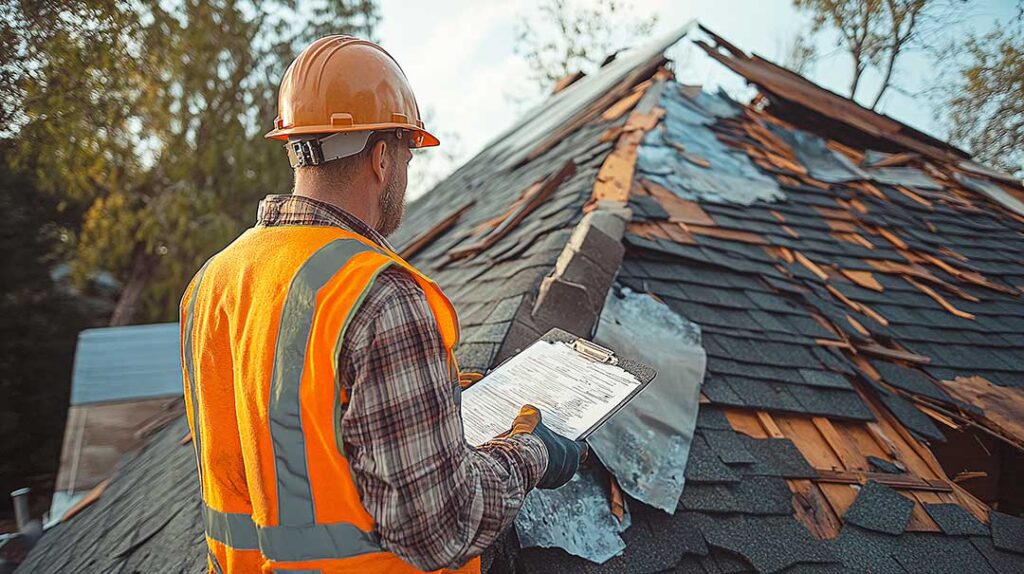
What Is Shingle Curling and Cracking?
Shingle curling describes the edges or corners of asphalt shingles bending upward or downward, making them look distorted. Cracking is when visible splits or breaks appear in the shingle surface. Both issues signal that the roof’s weather protection is weakening. These signs typically develop over years and often go unnoticed until a close inspection.
In Central Square, NY, asphalt shingles are common due to their affordability and cold-weather performance. However, local temperature swings, wind, snow load, and summer sun can accelerate both curling and cracking—especially on older homes or roofs previously repaired piecemeal.
Why Do Shingles Curl or Crack in Central Square?
Changes in shingle shape and integrity are mostly caused by prolonged exposure to the weather. In Central Square, freezing winter temperatures, heavy snow accumulation, and strong spring winds put extra strain on shingle materials.
Common causes include:
- Aging: As shingles age, their flexibility decreases and oils within the asphalt dry out, encouraging curling and making cracks more likely.
- Improper Ventilation: Inadequate attic airflow allows heat and moisture to accumulate beneath the roof, speeding up shingle curling and surface fissures.
- Moisture Infiltration: Ice dams, roof leaks, or clogged gutters can let water reach the shingle underlayers, warping their shape.
- Poor Installation: Misaligned shingles or improper nailing gives wind an entry point to work edges loose or allows sections of the shingle to pull away.
- Harsh Weather: Repeated freeze-thaw cycles and forceful wind gusts, both common in Central Square, cause expansion and contraction that wears down shingles faster.
What Are the Risks of Ignoring These Problems?
Curling and cracked shingles may not leak immediately, but they signal a roof that's more vulnerable to water damage. Water can seep through openings and soak the plywood underneath, leading to rot, mold, and even interior ceiling stains. In winter, curled edges create pockets where ice can build up, prying shingles further and hastening roof aging.
Other risks include:
- Increased heating costs if insulation below the roof deck becomes damp.
- Decreased home value, since visible shingle wear is a red flag on home inspections.
- Attracting pests like squirrels or insects, which may exploit soft or missing shingle patches.
Can Homeowners Repair Curling or Cracked Shingles Themselves?
Minor curling or a few cracked shingles can often be addressed by a careful homeowner, provided safe roof access and stable conditions. For small problem areas:
- Flattening curled corners: Gently heating shingles with a blow dryer (never a torch or open flame) to soften them, then securing the lifted edges with asphalt roofing cement.
- Sealing minor cracks: As long as the crack doesn’t go all the way through or span multiple shingles, dabbing roofing sealant along the fissure prevents moisture entry.
- Replacing damaged shingles: If a shingle is too far gone, prying up nails, sliding out the damaged piece, and carefully replacing it is possible with basic tools.
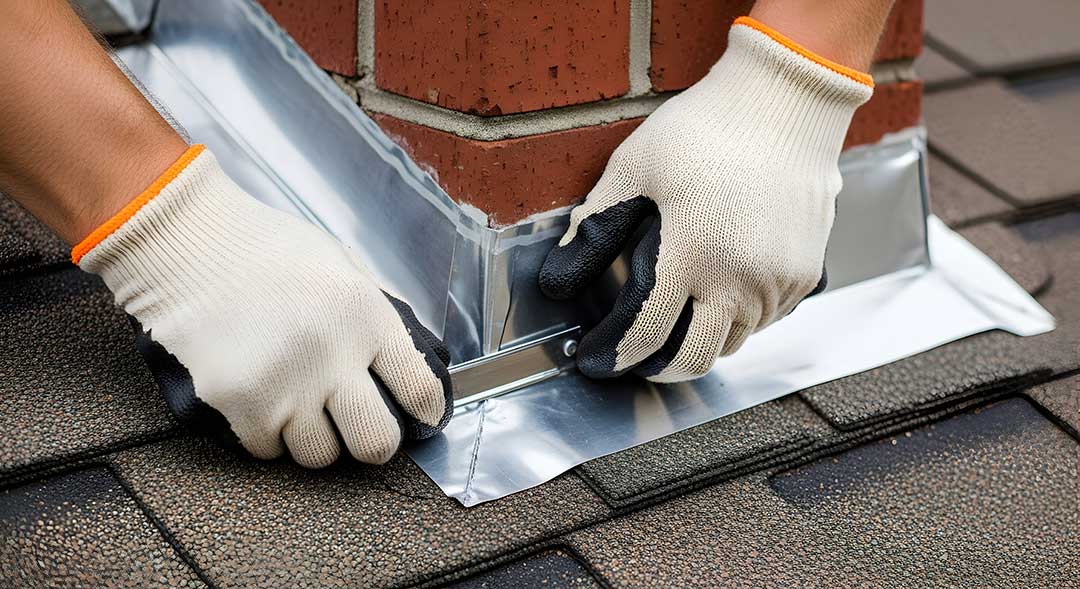
However, if shingle problems cover a large area or are present on steep roofs, DIY repairs may be risky due to slippery moss, frost, or underlying rot. In Central Square, winter ice and roof pitch on many homes mean extra caution with ladders and safety harnesses. Avoid repairs during wet, icy, or windy conditions.
How Can Residents Prevent Curling and Cracking in the First Place?
Prevention comes down to regular maintenance and vigilance for early signs of trouble. In Central Square’s variable climate, the following steps often help prolong shingle life:
- Annual Inspections: Inspect the roof each spring and after harsh weather, using binoculars from the ground or checking the attic for wet spots.
- Maintain Gutters: Keep gutters clear in autumn to prevent ice dams and water back-up under the shingles.
- Address Ventilation: Make sure soffit and ridge vents are open and unobstructed so attic heat and moisture don’t build up.
- Clear Debris: Trim overhanging branches and sweep off leaf piles, as organic matter holds moisture against shingles.
- Prompt Repairs: Fixing a loose shingle immediately prevents wind from catching and tearing it further.
- Snow Removal: Heavy, wet snow can overload shingles and encourage curling; using a roof rake safely from the ground reduces this risk without damaging materials.
Are Curling and Cracked Shingles More Common in Central Square Than Elsewhere?
While shingle wear is widespread across much of the Northeast, Central Square’s climate presents specific challenges. Repeated freeze-thaw cycles, long cold spells, and the occasional lake-effect snowstorm each season can age roofing materials more rapidly than in milder regions.
Older homes in the area, especially those built before enhanced insulation and attic venting codes, may show these issues sooner. Residents sometimes notice shingle issues earlier on north-facing roof slopes, which stay damp longer and get less direct sun to dry out dew or snowmelt.
When Should Shingles Be Replaced Instead of Repaired?
If over 20–30% of the shingles on a roof show signs of curling or cracking, or if problems return quickly after repairs, it’s typically a sign the shingles have reached the end of their reliable lifespan. Large areas of cracking indicate long-term sun and moisture damage that can't be reversed with spot fixes. Similarly, widespread curling along several courses (rows) of shingles suggests the underlying structure may need inspection for moisture or ventilation issues.
Replacing the entire roofing surface offers a fresh start with modern underlayments, updated insulation, and improved venting practices suitable for local conditions.
