
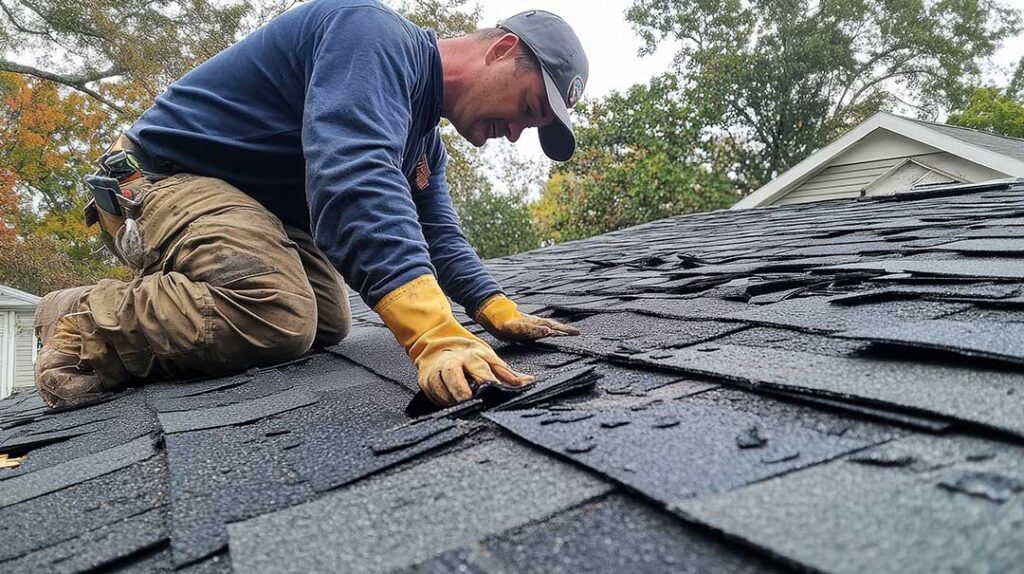
Why Does Roof Debris Matter in Central Square, NY?
Debris like leaves, pine needles, sticks, and seed pods frequently accumulate on roofs in Central Square due to the area’s mix of deciduous and evergreen trees. Neglecting this debris can cause roof deterioration, promote moss and algae growth, and impede water flow, sometimes leading to leaks or ice dam formation in colder months. Regular removal helps prevent costly repairs and keeps gutters and drainage systems functioning.
What Types of Debris Are Most Common Locally?
Residents in Central Square often encounter seasonal buildups including:
- Autumn leaves, especially from maple and oak trees
- Pine needles, which can mat down and trap moisture
- Twigs and small branches after windstorms
- Acorns, seed pods, and helicopter seeds in spring
- Occasional buildup of airborne dirt and shingle grit
Winter can bring additional concerns, such as ice chunks or blown debris settling atop snow.
When Should Roof Debris Be Cleared in This Area?
Roof debris removal is generally safest and most effective during dry, mild weather. In Central Square, the most common times to check and clean roofs are:
- Late spring, after trees finish dropping seeds and pollen
- After autumn leaf drop, before the first snowfall
- Following major wind or rainstorms
Mid-winter removal is less common due to snow and ice hazards, but gutters and lower roofs may still need periodic attention.
How Can Local Residents Safely Access Their Roofs?
Accessing a roof always carries risk and should only be attempted if the slope is low to moderate and the roof surface is dry.
- Use a stable extension ladder, placed on level ground, extending 3 feet above the roof edge
- Have another adult present if possible
- Wear non-slip shoes and avoid climbing if the roof is wet, frosty, or icy
- For single-story homes common in Central Square, most minor debris can be reached from the ground with extension tools
Never attempt to walk on steep, high, or visibly damaged roofs; these cases call for advanced safety measures or outside help.
What Tools Work Well for Debris Removal?
Depending on the roof type and debris, local residents use a variety of basic, non-damaging tools:
- Stiff-bristled roof brooms for sweeping dry leaves and light buildup
- Roof rakes (with telescoping handles) for reaching and pulling material from edges or valleys
- Leaf blowers, especially with a gentle setting, work on dry debris
- Hand scoops or plastic gutter scoops for larger clusters, especially near downspouts
- Heavy-duty gloves to protect from sharp branches or animal droppings
Avoid metal rakes, shovels, or high-pressure water, as these can damage shingles and underlayment.
What Steps Should Be Taken to Remove Debris?

Start with a visual inspection from the ground to identify major debris hot spots, then proceed step-by-step:
1. Clear the Roof Surface:
Begin at the highest point and work downward, gently sweeping or raking debris toward the edge. Take care around roof vents and flashing.
2. Check Roof Valleys and Corners:
Extra debris accumulates here, especially under overhanging branches.
3. Clean Gutters and Downspouts:
Carefully remove anything blocking water flow. A handheld scoop or gloved hand works well.
4. Dispose Properly:
Collect and bag what you remove. Local composting programs often accept yard debris, but check current guidelines.
If using a leaf blower, ensure debris is blown away from neighbors and not into the street, especially near storm drains.
Are There Special Local Concerns Because of Weather or Tree Types?
Central Square experiences variable weather, so plan debris removal just before major rain events or seasonal snow to reduce the risk of water backup. Pine needles, common in the area, can sneak under shingles if left too long and hold moisture against the roof. Also, accumulations left through winter may freeze, making eventual removal more difficult and risky.
Consider the wind direction; even after cleaning, new debris can blow onto roofs during gusty days, especially for homes near wooded areas.
Can Moss or Algae Be Mistaken for Debris?
Yes, in shaded parts of the city, moss and algae sometimes look like simple dirt or pine needles. True moss feels spongy and can be green or brown. While some light moss can be brushed away during regular cleaning, extensive growth requires gentler treatment (like cleaning with a soft brush or diluted vinegar solution), as harsh scrubbing may damage shingles. Moss left unchecked can shorten roof life, especially on older roofs.
What Safety Hazards Should Be Considered?
The most serious risk is falling. Always use caution, avoid working alone, and prioritize safety over thoroughness. Additional hazards include:
- Unstable ladders or shifting ground, especially after rain
- Overhead power lines near roof edges
- Hidden insect nests in debris piles
- Mold or droppings causing respiratory irritation—use a dust mask if disturbed dust is likely
For two-story homes, steep roofs, or situations where standing water, sagging, or visible damage is present, do not attempt to walk the roof.
How Frequently Should Roofs Be Checked for Debris?
Most area households benefit from checking their roofs two to four times per year, with the most critical times being after big seasonal changes and following storms. Homes surrounded by mature trees may need more frequent attention, while open lots or newer developments typically require less.
Are There Ways to Prevent Debris Buildup?
Trimming tree branches back from the roof (always observing local ordinances and utility clearances) can reduce debris. Regular gutter cleaning, leaf guards, and encouraging neighbors to manage yard trees all help. Still, given Central Square’s abundant tree cover and changing seasons, occasional roof cleaning remains part of routine home care for most residents.
