

What Does Hail Damage Look Like on a Roof?
Hail damage on roofing materials can be subtle or obvious, depending on the storm's severity and the kind of roof installed. For area households in Central Square, spotting hail damage early can prevent larger issues, such as leaks or premature replacement, especially after strong summer thunderstorms.
In most cases, hail marks appear as random, circular spots where the granules on asphalt shingles have been knocked away. On metal roofing, dents or dimples may be noticeable. On other materials, cracks or splits can develop. Damage may not always be visible from the ground, so safely accessed inspections (when possible) reveal the most details.
Why Is Hail Damage a Concern for Homeowners in Central Square?
Even seemingly small hail impacts can compromise your roof’s protective surface. For Central Square, NY, where hailstorms sometimes roll in accompanied by wind and driving rain, these damages risk exposing the layers underneath.
Unnoticed hail bruises can eventually lead to:
- Water intrusion and attic leaks
- Loss of shingle granules, accelerating aging
- Shortened roof lifespan
Due to the city’s humid summers and cold winters, any breach in the roof’s weatherproof layer can lead to thaw and freeze cycles making problems worse.
Which Roofing Materials in the Community Show Hail Damage Most Clearly?
Different roofing materials reveal hail impacts in distinct ways. Local homes in the area use a mix of asphalt shingles, metal panels, and occasionally older wood shakes or other products.
- Asphalt shingles: Look for dark spots, areas where surface granules are missing, or soft spots that feel spongy underfoot (this suggests bruising beneath the surface).
- Metal roofs: Dents, puckering, or a visible change in the roof's texture can indicate impact points.
- Wood shingles/shakes: Small fractures, splits with sharp edges, or chipped pieces can appear after hail.
- Synthetic or other types: These may have cracked, split, or even missing sections in more severe cases.
How Can Residents Safely Check for Hail Damage?
Visually inspecting a roof is safest from ground level or with binoculars. If viewing from above, secure footing and basic knowledge of ladder safety are essential. Days after a hailstorm, check for:
- Dislodged shingles or fragments around your yard and gutters
- Accumulated granules at the base of downspouts—these may wash off due to recent impacts
- Dents in metal trim, gutters, flashing, or vents
Pay extra attention to the roof’s most exposed slopes, typically those facing the direction that the storm came from. In Central Square, prevailing weather often comes from the west or northwest.
What Hail Damage Is Commonly Missed?
Some forms of hail damage are easy to overlook, especially right after a storm:
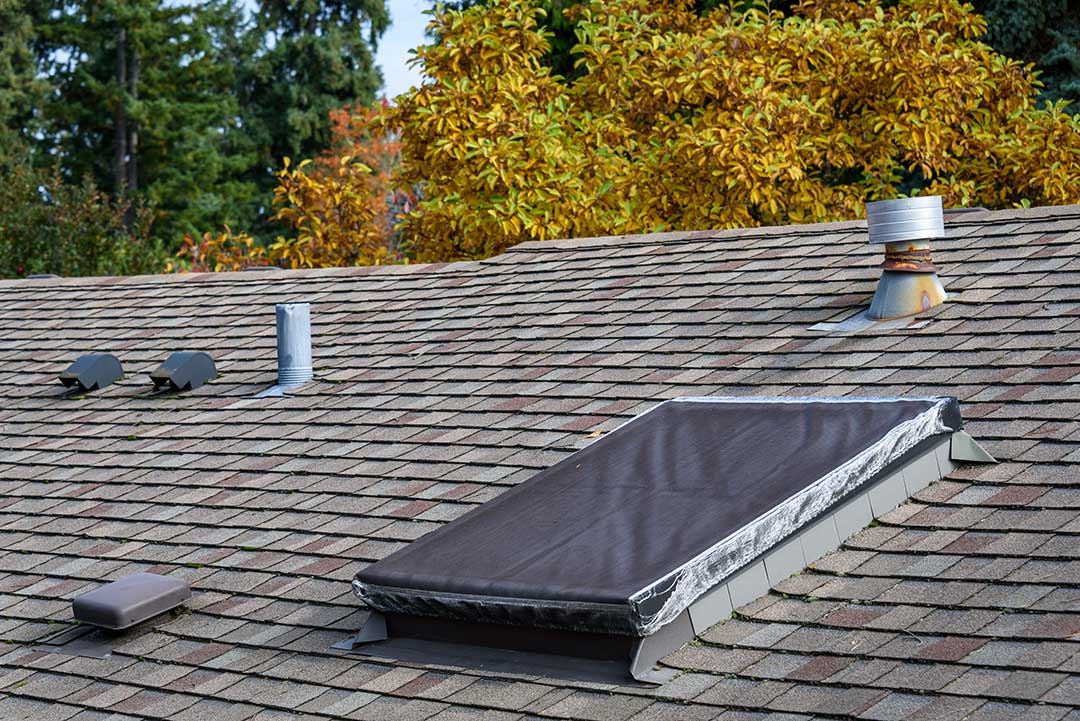
- Tiny granule loss can look like regular weathering but indicates intense impact in a brief period.
- Hairline cracks or tight splits in asphalt shingles aren’t always obvious but allow water in during rain, thaw, and freeze cycles.
- Damage to roof accessories, such as skylight edges, roof boots, or metal chimneys, which can weaken the overall system.
- Soft, bruised spots on shingles that may look intact but break down over time.
Misidentifying these issues as regular aging can leave roofs vulnerable to leaks—particularly during Central Square’s periods of heavy rainfall or rapid snowmelt.
When Should a Professional Assessment Be Considered?
If obvious leaks, large areas of missing shingles, or significant structural concerns are visible, a professional inspection is advisable due to safety risk. Steep pitches or multi-story homes common in many neighborhoods present additional hazards. Otherwise, for minor, non-urgent concerns, a careful visual check by the homeowner is often sufficient to spot potential problems early before consulting further guidance.
What Are Mistaken Signs of Hail Damage?
Many homeowners confuse common roof wear with hail impact:
- Blistering (small, raised bubbles) due to manufacturing defects or poor attic ventilation
- Algae staining or dark streaks from local humidity, not related to hail
- UV fading, which occurs uniformly rather than in random spots
Understanding these distinctions helps area households make informed decisions about roof care, especially after storms.
What Steps Should Be Taken After Noticing Possible Hail Damage?
After identifying any signs of hail impact, record the details. Photos with notes on location and time make it easier to monitor changes and guide any future steps if issues worsen. Keeping drain systems clear and regularly checking attic spaces for moisture staining can help spot secondary signs if roof leaks begin developing in the weeks after a hail event.
