

What Is the Real Difference: Re-Roofing vs. Roof Replacement?
Re-roofing and roof replacement are two distinct approaches to addressing worn or damaged roofs, yet many residents find the difference unclear. In essence, re-roofing involves installing a new layer of shingles over your existing ones, while roof replacement means removing the entire old roof down to the deck and installing a completely new roofing system. Understanding the specific situations each method suits can help Central Square, NY homeowners make practical, informed decisions when their roofs start showing signs of age.
When Is Re-Roofing a Practical Option?
Re-roofing is typically considered a maintenance solution when the existing roof is in generally good structural condition but has surface-level wear or a single layer of shingles. It is most often chosen for:
- Roofs with only one shingle layer—building codes generally prohibit adding a third layer
- Minor issues such as curling or losing granules, provided the decking remains sound
- Homeowners seeking a short-term improvement in appearance or protection
In Central Square’s climate, re-roofing may be suitable for homes that have not experienced major leaks, rot, or storm-related damage. This approach can refresh a roof’s appearance and delay the need for full replacement, but it is not a solution for major structural problems, persistent leaks, or hidden rot, which are more common in areas with frequent freeze-thaw cycles.
What Happens During a Full Roof Replacement?
Roof replacement goes significantly further than simply covering up old materials. This process includes tearing off all old shingles, inspecting the underlying wood decking, replacing any rotted boards, and then installing new underlayment and shingles. Homeowners generally choose roof replacement when:
- The roof has two layers of shingles already, as local codes typically prohibit additional layering
- There are widespread leaks, visible sagging, or water damage in the attic
- The underlying wood or support structure shows signs of rot, mold, or weakness
For properties in Central Square—especially those built several decades ago—a complete replacement offers a chance to address deep-seated issues hidden beneath the original roof, which is especially valuable after harsh winters or windstorms that may have caused undetectable damage.
How Do Cost and Longevity Compare?
Residents often want to know which method is more cost-effective and how long each will last. Directly:
- Re-roofing usually costs less upfront, since it requires fewer labor hours and materials.
- Roof replacements have a higher initial cost but offer greater long-term protection and usually come with longer warranties.
Re-roofing can extend a roof’s life by about 10 to 15 years, depending on conditions. Roof replacement generally resets the roof’s lifespan, promising 20 years or more depending on material quality and installation practices—vital for homes in Central Square, where weather extremes put ongoing stress on roofing systems.
Are There Building Codes or Local Considerations for Central Square?
Yes, local codes and practical issues are key factors. In Central Square:
- Most codes allow only up to two layers of shingles. If your roof already has two layers, re-roofing is not allowed.
- Older homes may have underlying issues, like outdated ventilation, that should be corrected during a replacement.
- Heavy snow accumulation in winter and high winds may cause faster deterioration, making inspection of the roof deck crucial.
Because regional weather can accelerate hidden structural damage, surface fixes like re-roofing might not be suited to roofs showing any symptoms of leaks or sagging.
What Are the Most Common Misconceptions About Each Approach?
A frequent misunderstanding in the community is thinking re-roofing is always the faster, better fix or that it can be repeated endlessly. In reality:
- Re-roofing does not address hidden moisture, leaks, or deck rot.
- Layering shingles adds weight, which can be risky for older homes not built for the extra load.
- Full replacement is more disruptive, but is necessary when underlying structures are compromised.
- Neither solution is “one size fits all”—the right answer depends on age, existing damage, and past roofing work.
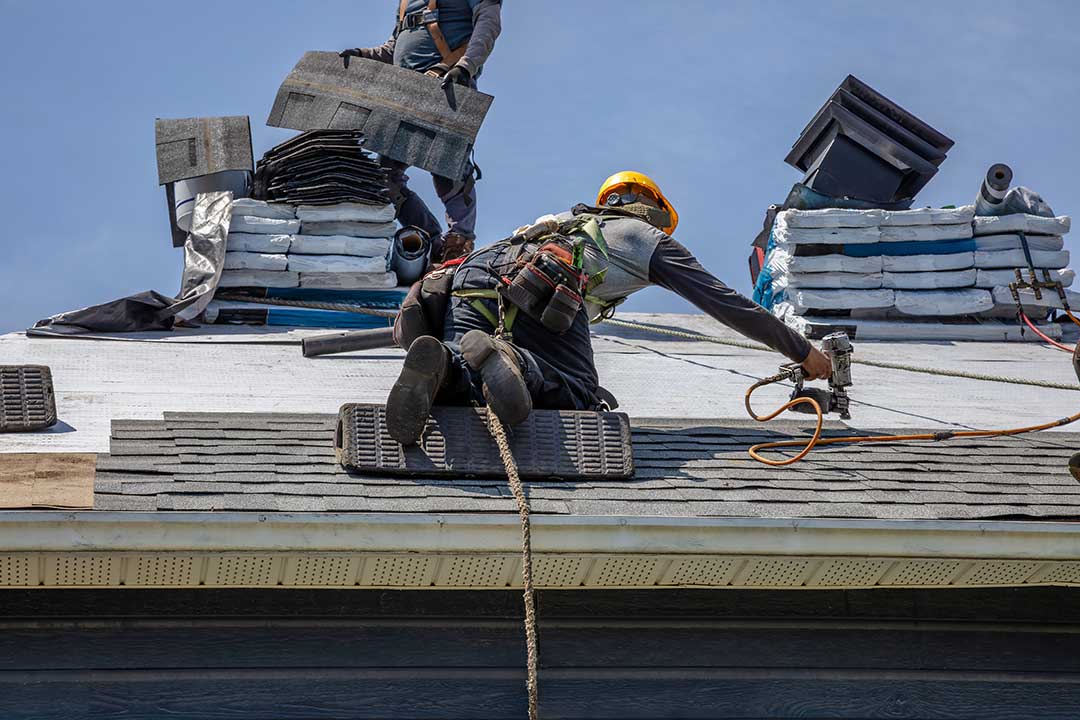
How Should Local Residents Decide Between Re-Roofing and Replacement?
A quick way to approach this question:
- If the roof is in fairly good shape, has only one shingle layer, and no history of leaks, re-roofing could be reasonable for a short-term refresh.
- If there are leaks, visible sagging, more than one shingle layer, or the roof is over 20 years old, a full replacement is typically the safer and more durable choice.
Having the roof thoroughly inspected is the best practice before deciding. For Central Square households, this might mean checking after each winter for signs of ice damming, attic moisture, or missing shingles—signs that indicate more serious problems beyond surface wear.
What Are the Risks of Choosing the Wrong Method?
Choosing a surface-level fix when major structural repairs are needed can lead to:
- Persisting or worsening leaks
- Mold growth under the roof deck
- Further damage to insulation or interior ceilings
- Voided manufacturers’ warranties
Old roofs layered without addressing root causes may cost less initially but often result in much higher repair bills down the line due to hidden wood rot or repeated water damage.
Practical Examples from the Community
Area homes built prior to 1980, especially those with original wood decking, often require full replacement when issues arise. In contrast, well-maintained properties with modern building standards may benefit from a timely re-roof only if all other conditions are right.
Snow and ice are significant seasonal challenges in Central Square, so even small roof leaks can lead to bigger repairs if not fixed at the source. Residents often see old repairs fail after a heavy winter, highlighting why a professional inspection is advised if there’s ever uncertainty about what’s hidden under existing shingles.
