
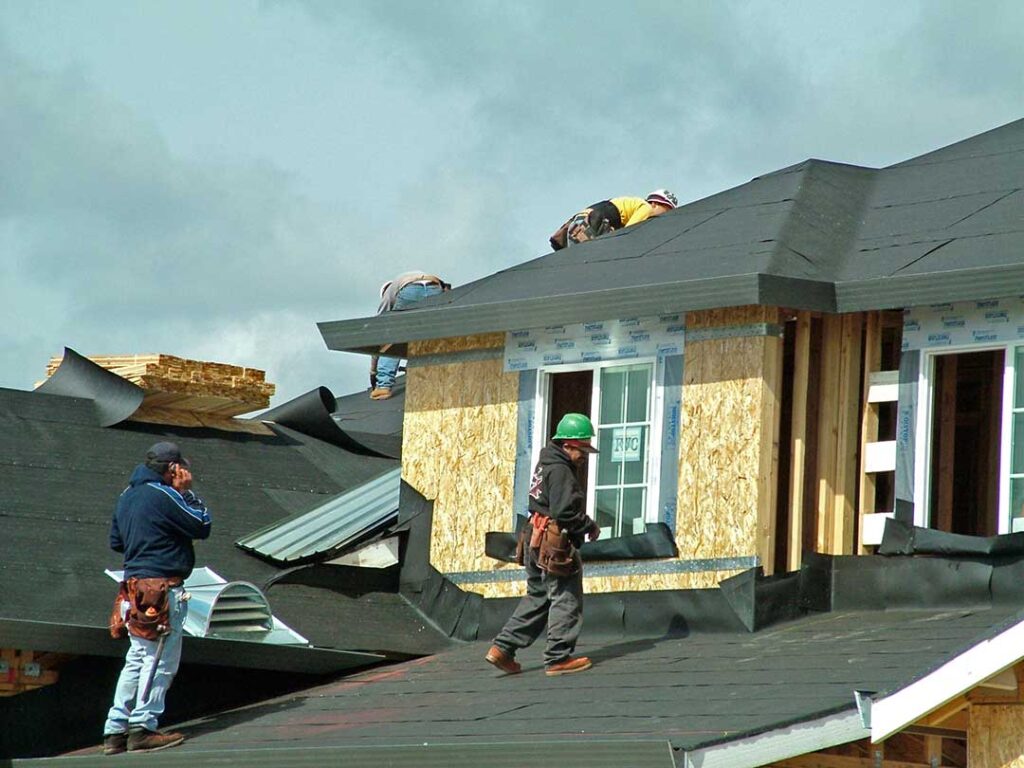
Roofing scams often appear after a storm, during a period of heavy home repair demand, or when a property owner notices a leak and needs quick answers. The most reliable protection is to slow the process down, verify claims independently, and avoid paying for work that has not been clearly described in writing.
In Central Square, NY, seasonal weather can create legitimate roofing concerns. Snow, ice, wind, rain, and freeze-thaw cycles may loosen shingles, damage flashing, or expose weak areas around vents and chimneys. Those conditions can also attract people who use urgency and confusion to pressure homeowners into rushed decisions.
What does a roofing scam usually look like?
A roofing scam often involves a person making unexpected contact, exaggerating damage, demanding immediate payment, or refusing to provide clear documentation. Some scams involve no work at all. Others involve incomplete repairs, unsuitable materials, inflated prices, or damage that was created or worsened during the visit.
Common warning signs include:
- An unsolicited visit immediately after a storm
- Pressure to sign paperwork before inspecting the roof carefully
- Claims that “everyone nearby” is using the same service
- A request for a large cash deposit
- A price that changes after work begins
- No written scope of work
- No proof of insurance or required credentials
- A request to sign over insurance benefits or allow someone else to manage a claim
- Refusal to provide a physical business address or references
- A contractor who insists that a roof must be replaced without explaining repair alternatives
A legitimate roofing concern may require prompt attention, but urgency should relate to preventing further damage—not to forcing an immediate decision.
Why are storm-related roofing scams common?
Storms create a short period when many homeowners are worried about leaks and property damage at the same time. That demand can bring unfamiliar workers into a community who have little connection to the area and may leave before problems can be corrected.
After a major weather event, a person may claim to have noticed damage from the street or offer a free inspection. A visual inspection from the ground can identify possible concerns, but it cannot establish the full condition of the roof. Be cautious of anyone who uses a brief glance to declare that a complete replacement is necessary.
Homeowners should also be wary of statements such as:
- “Your insurance will cover everything.”
- “There is no need to read the paperwork.”
- “The price is only available today.”
- “The storm caused damage that cannot wait.”
- “The deductible can be waived.”
Insurance coverage depends on the policy, the cause of damage, exclusions, deductibles, maintenance history, and the insurer’s review. No roofing worker can guarantee a claim outcome.
How can a homeowner verify a roofing company or individual?
Verification should happen before signing a contract or making a substantial payment. Use contact information found independently rather than relying only on a card, text message, door hanger, or website provided during an unsolicited visit.
Ask for:
- A full legal business name
- A written business address and reliable phone number
- Proof of general liability insurance
- Proof of workers’ compensation coverage when applicable
- References for recent, comparable work
- A detailed written proposal
- Information about permits or inspections that may apply
- The names of subcontractors who may perform the work
Check whether the information is consistent. A business name that changes between the estimate, contract, insurance certificate, and payment instructions deserves further scrutiny.
References should be recent and relevant. A homeowner can ask whether the work was completed on schedule, whether the final price matched the agreement, and whether any problems were resolved. References supplied by a questionable operator may not be independently verifiable, so additional research is useful.
What should a written roofing contract include?
A clear contract protects both sides by describing what is being done and how disagreements will be handled. It should be understandable without relying on verbal promises.
Look for details such as:
- The exact areas to be repaired or replaced
- The type, quality, and color of materials
- Removal and disposal responsibilities
- Treatment of damaged decking or underlying materials
- Flashing, vents, pipe boots, and chimney work
- Cleanup and protection of landscaping or outdoor property
- Start and approximate completion dates
- Total price and payment schedule
- Procedures for approving additional work
- Warranty terms and who is responsible for warranty service
- Cancellation rights, if applicable
- Insurance and permit responsibilities
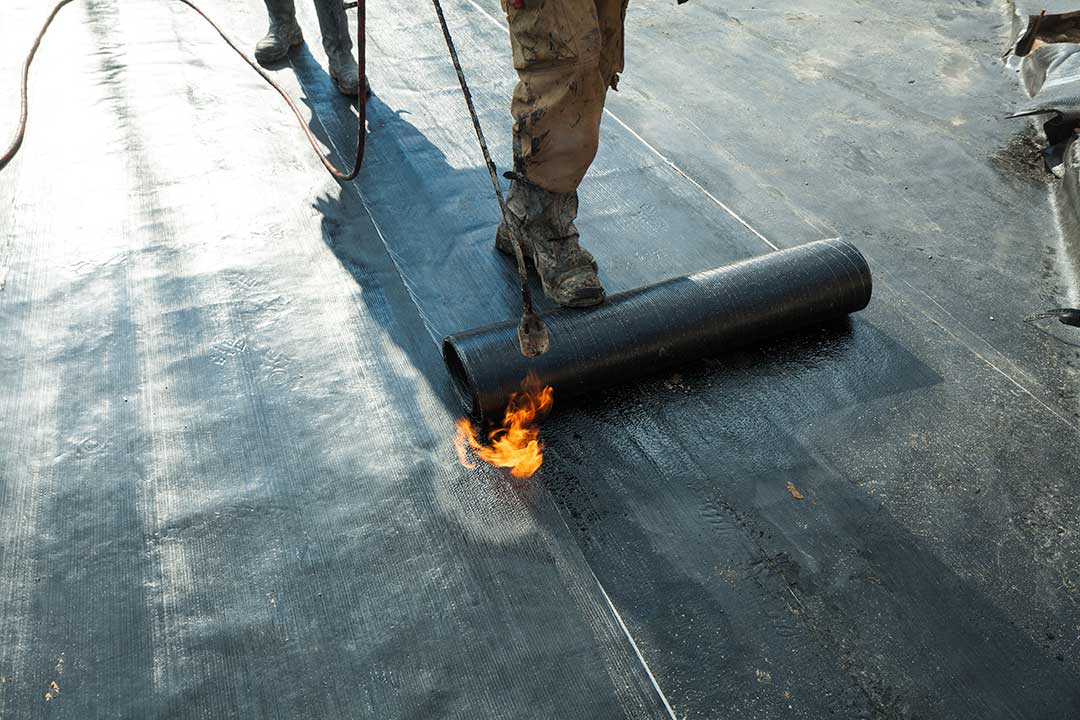
A vague phrase such as “repair roof as needed” can create disputes. Additional work should not proceed simply because a worker says it is necessary. The proposed change should be explained in writing, including the reason, added cost, and effect on the schedule.
How much should a homeowner pay before work begins?
Payment terms vary, but a large upfront payment creates unnecessary risk. Avoid paying the entire amount before materials arrive and work is completed according to the agreement.
A safer arrangement generally connects payments to identifiable stages, such as delivery of materials, completed installation, and final cleanup. The contract should state when each payment is due. Payment records should be retained, including receipts, canceled checks, electronic confirmations, and copies of signed documents.
Be especially cautious about:
- Cash-only demands
- Payments made to a person rather than the documented business
- Requests to send money to a different name or account
- Sudden changes to payment instructions by text or email
- Pressure to borrow money immediately
- Blank sections on contracts or payment forms
Never sign a document with missing prices, incomplete descriptions, or blank spaces that could later be changed.
Should an insurance company be involved?
An insurer may be appropriate when damage appears to result from a covered event, but the homeowner should remain directly involved in the claim. A roofing worker can provide observations and photographs, but the insurer determines coverage under the policy.
Before filing a claim, document the condition of the roof and related interior damage with photographs or video, if it is safe to do so. Keep damaged materials when practical, and record the date the damage was noticed. Temporary measures to prevent additional water entry may be reasonable, but permanent work should be coordinated carefully when an insurance inspection is pending.
Do not allow anyone to exaggerate damage, submit inaccurate information, or pressure a homeowner to make statements that are not true. Insurance fraud can create serious legal and financial consequences for the property owner.
What should someone do after suspected scam activity?
If a person leaves after receiving money, performs unsafe work, or refuses to honor the agreement, preserve all records. Save contracts, estimates, photographs, messages, invoices, payment confirmations, license or insurance documents, and notes about conversations.
Avoid threatening or confronting the person. Written communication is usually more useful than repeated phone calls. If there is immediate danger, exposed electrical equipment, major water entry, or structural instability, protect occupants first and keep away from hazardous areas.
Possible reporting options may include local law enforcement for suspected theft or fraud, state consumer protection authorities, the insurer involved in a claim, and financial institutions if a payment may be reversed or disputed. Legal advice may also be appropriate when the amount is substantial or the contract contains confusing terms.
What is the simplest way to avoid a roofing scam?
Use a pause-and-verify process:
- Do not hire someone solely because they arrived at the door.
- Get a second opinion for major replacement recommendations.
- Verify identity, insurance, and business information independently.
- Require a detailed written contract.
- Avoid full payment before completion.
- Keep control of insurance communications.
- Never accept pressure as proof that work is necessary.
A trustworthy roofing arrangement should allow time for questions, careful review, and independent verification. For households dealing with snow, ice, wind, and repeated seasonal weather, that short pause can prevent a costly mistake while still allowing genuine roof damage to be addressed responsibly.
