
Which animals commonly damage roofs?
Animals can affect roof integrity in several ways, from creating small openings to adding moisture, weight, and contamination. In Central Square, NY, the most common concerns are usually birds, squirrels, bats, raccoons, mice, and insects such as carpenter ants or bees.
The damage is not always obvious from the ground. A roof may appear intact while an animal has entered through a lifted shingle, an open vent, a loose soffit panel, or a gap around flashing. Once inside, the animal may enlarge the opening, disturb insulation, chew wiring, or allow water to follow the same path into the building.
Wildlife activity often becomes more noticeable during seasonal changes. Animals may seek shelter before winter, nesting space during spring, or cooler, shaded areas during summer. Heavy snow, ice, wind, and repeated freeze-thaw cycles can also make existing roof weaknesses easier for animals to exploit.
How do squirrels and rodents affect a roof?
Squirrels and rodents can create serious problems because they gnaw continuously. They may chew through fascia boards, soffits, wood trim, plastic vent covers, and in some cases wiring near the attic. A small opening can become a larger entry point after repeated chewing.
Rodents may also damage insulation by shredding it for nesting material. Their droppings and urine can create odors, stain building materials, and introduce moisture into areas that should remain dry. If nesting material blocks an attic vent, heat and humidity can build up beneath the roof.
Signs may include:
- Scratching or scurrying sounds, especially around dawn or dusk
- Small openings near eaves, roof edges, or vents
- Shredded insulation or nesting material
- Droppings in the attic
- Gnaw marks on wood, plastic, or wiring
- Damaged screens or vent covers
A common misconception is that a small animal cannot cause major roof damage. The animal itself may be light, but repeated chewing, moisture, and blocked ventilation can affect several roof components at once.
What damage can birds cause?
Birds can damage roofs by nesting in gutters, chimneys, ridge vents, soffit openings, and other sheltered areas. Nesting materials may block drainage or ventilation. Twigs, leaves, feathers, and droppings can hold moisture against roofing materials and contribute to staining or decay.
Birds may also dislodge loose shingles while entering and leaving a nesting area. Woodpeckers can create holes in siding, trim, and roof-edge components, particularly where insects are already present in decaying wood.
Droppings are more than a cosmetic concern. They can contain moisture and organic material that promote corrosion or deterioration on some surfaces. Accumulated material may also make gutters overflow during rain, sending water toward fascia boards and the upper walls of the structure.
Bird nests should not be disturbed casually. Active nests may contain eggs or young, and some species are protected by wildlife regulations. Removal methods should account for the season, the species involved, and whether the entry point can be safely closed afterward.
Can raccoons and larger animals damage roofing?
Yes. Larger animals can cause sudden and extensive damage, especially when they force their way into an attic. Raccoons may tear shingles, bend flashing, break vent covers, or enlarge openings near roof edges. Their weight can also damage weak sections of sheathing or trim.
Once inside, a raccoon may disturb insulation, tear ductwork, and leave concentrated waste in one or more attic areas. The resulting odor can persist even after the animal leaves. Larger animals may also return to the same opening unless the structure is repaired and the access route is addressed.
A damaged roof edge can allow rain or melting snow to enter. In Central Square, winter conditions make this especially concerning because moisture that enters during a cold period may freeze, expand, and worsen cracks or gaps before drying.
If a large animal is trapped inside, direct handling is unsafe. Bites, scratches, and contaminated waste can present health risks. The opening should not be sealed until there is reasonable certainty that no animal or dependent young remain inside.
How do bats affect roof integrity?
Bats generally do not chew through roofing materials, but they can enter through very small gaps around flashing, vents, soffits, and roof-wall intersections. Their presence may result in droppings, odors, and contamination in attic spaces.
The primary roof concern is often the entry point itself. If flashing, trim, or a vent cover is loose enough for bats to enter, the same gap may also admit wind-driven rain, insects, or cold air. Bat activity can therefore reveal a building-envelope problem even when the animals are not physically damaging shingles.
Exclusion must be timed carefully. Sealing an opening while bats are inside can trap them indoors. Seasonal restrictions may also apply when young bats are unable to leave on their own. Wildlife removal and roof repairs need to be coordinated so that the structure is protected without creating a new animal-welfare problem.
Can insects weaken roofing materials?
Insects can contribute to roof damage, especially when moisture is already present. Carpenter ants excavate damp or softened wood rather than eating it like termites. Their activity may indicate leaks, poor drainage, or decaying fascia and sheathing.
Carpenter bees can create holes in exposed wood trim, fascia, and other roof-edge components. Over time, repeated nesting can weaken the wood and create additional openings for water or other insects.
Stinging insects may also build nests around soffits, eaves, or wall-roof junctions. Do-it-yourself removal can be hazardous, particularly when ladders are involved. The visible nest may not be the only issue; the surrounding wood or vent area should also be checked for moisture and deterioration.
What roof areas should residents inspect?
Animal-related damage is most likely around places where materials meet or where air moves through the building. Useful inspection points include:
- Soffits, fascia, and eaves
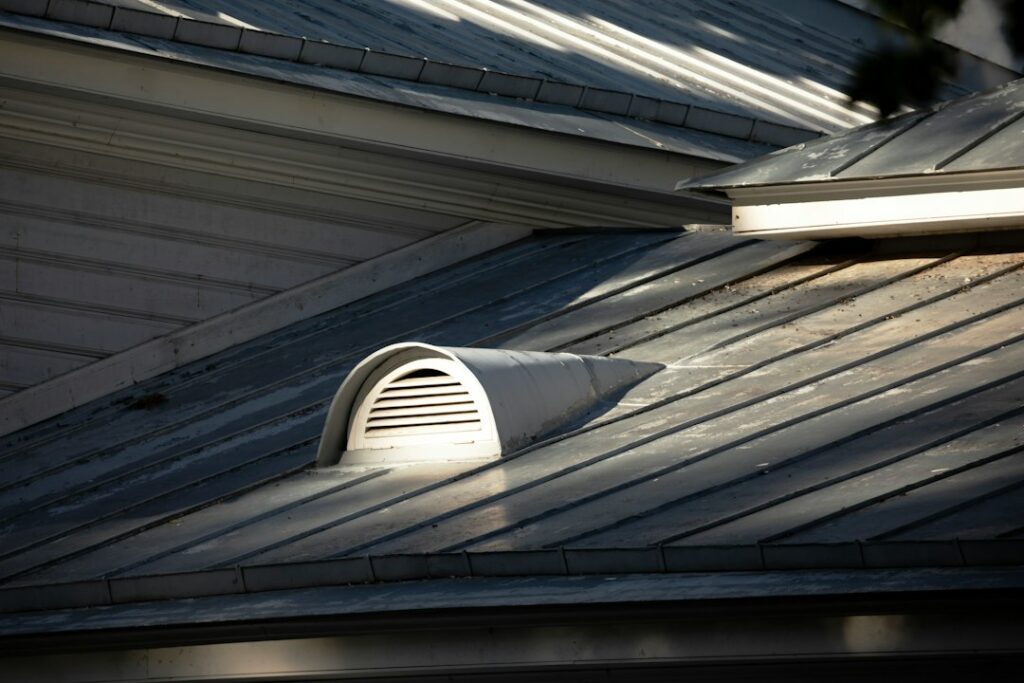
- Ridge, box, and gable vents
- Chimney flashing
- Plumbing vent openings
- Skylight and roof-wall flashing
- Gutters and downspouts
- Loose or missing shingles
- Attic insulation and roof sheathing
- Areas near trees or branches that touch the roof
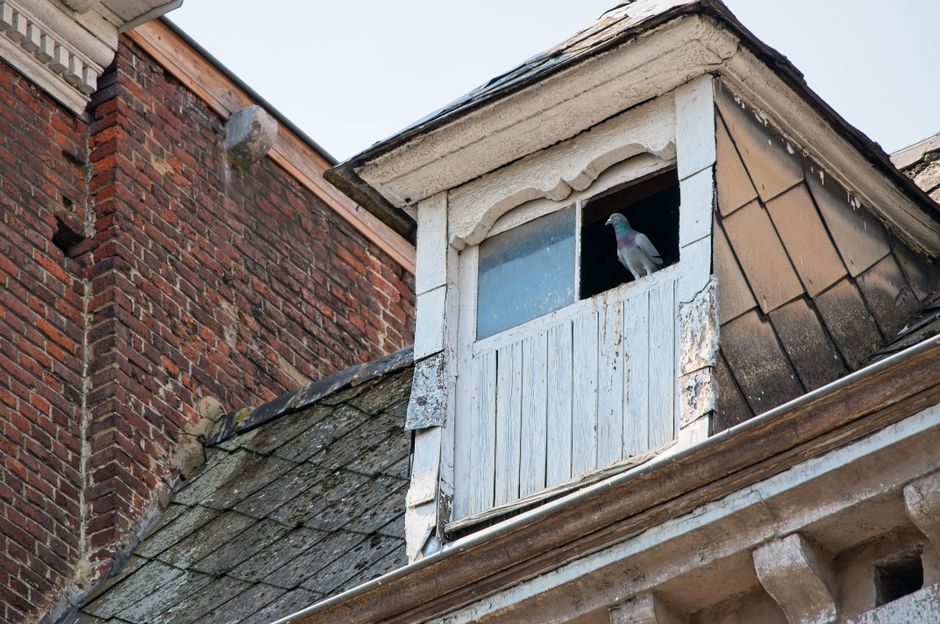
A ground-level inspection can reveal missing shingles, droppings, nests, damaged trim, or animals entering and leaving. An attic inspection may show daylight through a roof opening, staining, disturbed insulation, or tracks in dusty areas.
Roof access requires caution. Wet shingles, ice, steep slopes, and hidden structural damage create fall hazards. Some conditions are better evaluated from the ground or from inside the attic rather than by climbing onto the roof.
What should be done after animal activity is found?
The first step is to identify whether the opening is active and whether young animals may be present. Sealing a hole immediately can trap wildlife inside or separate young animals from a parent.
After the animal has safely left, the affected area should be examined for more than the original entry point. Damage may include:
- Broken or lifted shingles
- Bent flashing
- Chewed soffits or fascia
- Blocked vents
- Wet or contaminated insulation
- Damaged wiring
- Rotting roof sheathing
- Staining on attic surfaces
Repairs should restore both weather protection and ventilation. Simply covering a hole with a temporary material may stop an animal briefly while leaving water intrusion unresolved.
Persistent odors, visible mold, extensive droppings, damaged electrical wiring, or an animal trapped in an inaccessible space can require specialized handling for safety and sanitation reasons. Roof damage near chimneys, steep slopes, ice, or unstable surfaces also presents hazards that should not be approached casually.
Preventive measures include trimming branches away from the roof, keeping gutters clear, maintaining vent screens, replacing damaged trim, and addressing leaks promptly. These steps reduce the sheltered gaps and deteriorated materials that animals use for entry, while also protecting the roof from ordinary weather-related wear.
